

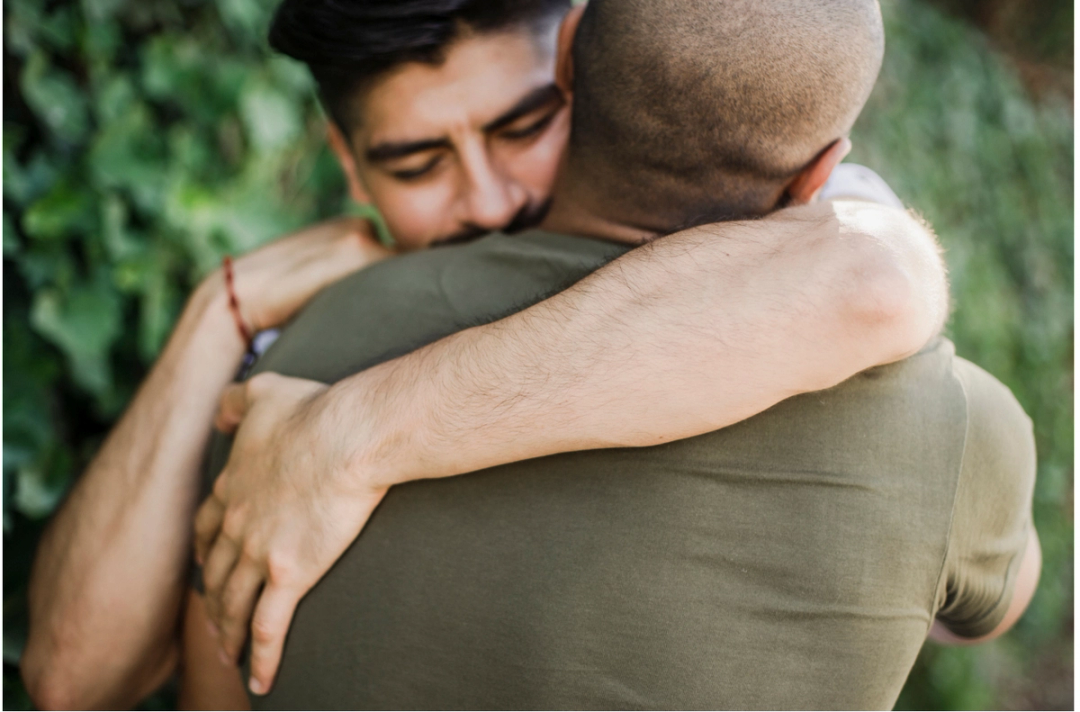
Group Therapy
Queering Substance Use Recovery
Online
Mondays
5:30PM – 7:00PM
Exploring recovery in every stage
LGBTQ+ people face unique challenges when considering substance use recovery.
Most outpatient groups are based in a gender binary, rigid structures, and a lack of focus on LGBTQIA+ issues. The purpose of this group is to create an environment that encourages people to interact with one another with different recovery goals and approaches, and to process the emotions that may come up with this. This mirrors the outside world and what participants will experience on a daily basis. Currently enrolling.
Meet your therapist
Meredith Wilde, LMSW-LP
She/Her
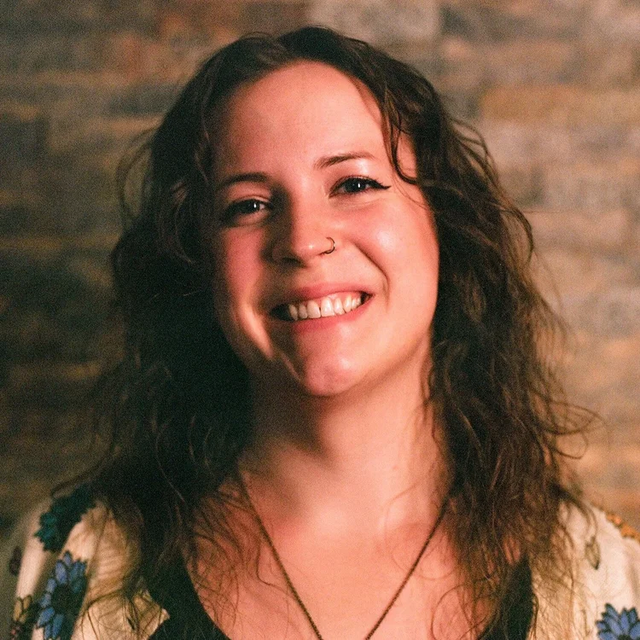
Meredith is a queer, transgender woman originally from Utah currently pursuing her Master’s Degree at Hunter College’s Silberman School of Social Work. She has an eclectic approach to therapy, primarily drawing upon psychodynamic theories and systems theory.
Meet your therapist
Alex Lahr, LMSW
They/Them
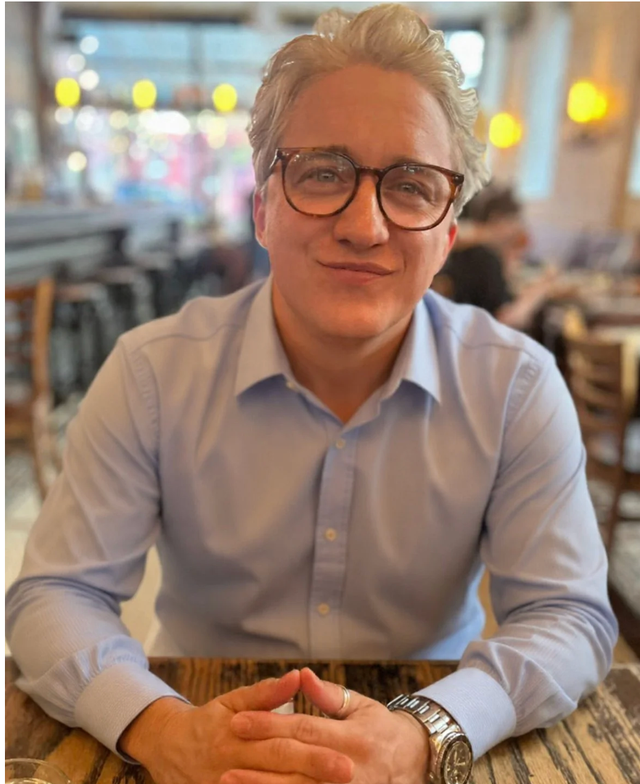
Alex is a second-year MSW candidate at Hunter College’s Silberman School of Social Work. They believe in a strengths-based, non-judgmental approach that respects individuals as they grow and evolve into their authentic self.
Meet your therapist
Meredith Wilde, LMSW-LP
She/Her
Meredith is a queer, transgender woman originally from Utah currently pursuing her Master’s Degree at Hunter College’s Silberman School of Social Work. She has an eclectic approach to therapy, primarily drawing upon psychodynamic theories and systems theory.
FAQ
Any Questions?
How does this group define recovery?
We each define it differently. The group welcomes people at different stages of substance use recovery, from curiosity about relationships with substances through long-term sobriety.
How does substance use impact queer communities?
Roughly 20-30% of LGBTQ+ folx struggle with substance use compared to about 9% of the general population. Discrimination, shame, and systemic disparities all shape how we cope.
What is affirming care?
Affirming care therapy creates a space where people can explore their experiences openly while recognizing the real impact that stigma, discrimination, and social inequities can have on mental health. It is the foundation of our care.
Shouldn’t all LGBTQ+ therapy be affirming?
Ideally, yes. But LGBTQ+ identities are not always recognized and affirmed as part of the rich diversity of human experience.
Can you tell me more about the treatments you offer?
- Identity exploration: Sexual orientation, gender identity, gender expression and coming out (at any stage of life)
- Mental health: Depression, eating disorders, grief, anxiety, phobias, stress, PTSD and trauma, substance abuse
- Stress: Navigating systemic discrimination, microaggressions, and identity trauma
- Relationships of all types: Navigating interpersonal, intimacy, and communication challenges
- Family and relationships: LGBTQ+ parenting, family-building, and youth advocacy
- Relationship models and structures: Specialized care for individuals in non-traditional relationship styles, including polyamory and consensual non-monogamy
- Dedicated therapy groups: Centering on Queer, Trans, Black, Indigenous, and People of Color, as well as those experiencing grief and loss, trauma recovery, PTSD, depression, couples communication, divorce and separation, and other life transitions
What are examples of the kinds of questions you help people answer?
We engage with broader issues of identity, transition, mental health, coming out, queer relationships, and navigating polyamory. But we also understand and celebrate what makes every person different, helping address questions as diverse as:
- How do I get divorced as a queer person with kids?
- How do I deal with the myriad challenges of “second adolescence” in adulthood?
- Can you provide guideposts as I transition, navigate surgeries, manage my expectations, and work through relationships with family and friends?
- How and where do I put natural feelings of anger and frustration as I navigate the lived experience of a queer person?
Do I have to identify as LGBTQ+ to receive services?
While many of our clients identify as LGBTQ+, our services are open to anyone seeking affirming, culturally responsive care.
I'm underinsured. Can you help?
We’re here for you. Our cash rates are less than half the average cost of therapy in NYC. You can learn more about our insurance, fee, and care options here.
Do you offer virtual therapy?
Yes, we offer in-person and virtual therapy options for clients located in New York State. Availability varies by therapist.